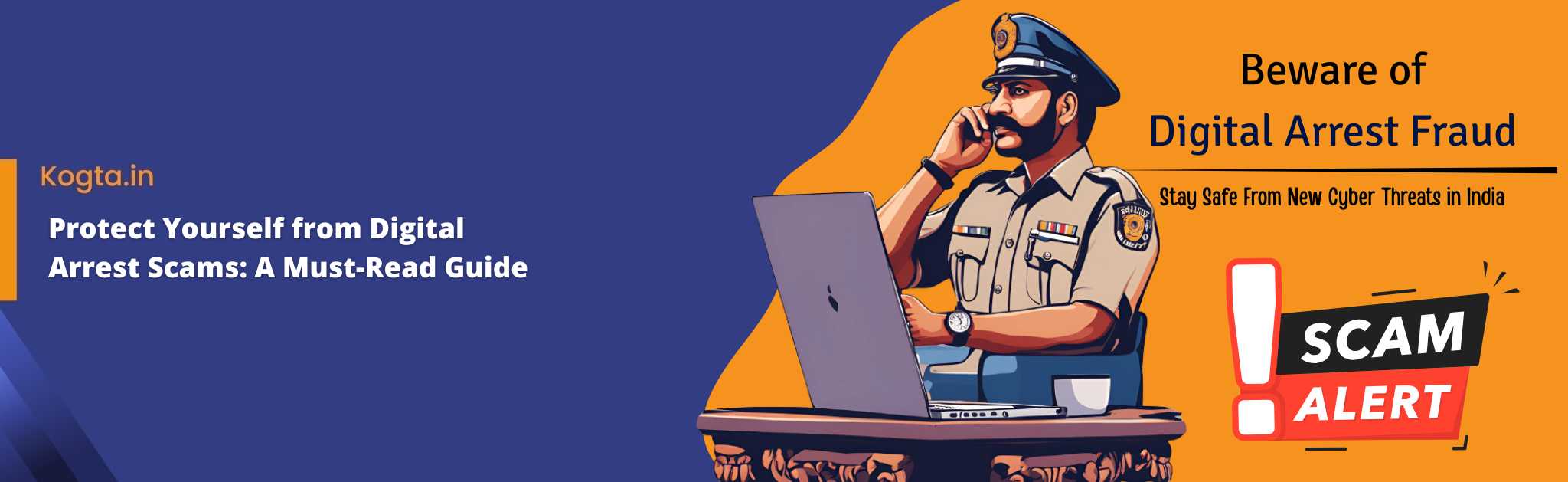
Protect Yourself from Digital Arrest Scams: A Must-Read Guide
India has consistently experienced a sharp increase in digital arrest scam, resulting in high-value losses nationwide. It is estimated that India will lose as much as Rs. 20,000 crore to cyber-fraud in 2025.
In such a scenario, it is necessary to know how these scams work to better prevent them from happening to you in the future. Read on to know more about it.
What is a Digital Arrest Scam?
A digital arrest scam refers to a type of fraud in which scammers send messages, make video calls, or simply call posing as law enforcement officers, financial institutions, or government officials. Here are a few things that they do:
- Make accusations against you for indulging in crimes like drug trafficking, tax fraud, and money laundering.
- These people even go to the extent of showing you fake documents and commit masked online fraud through video call by showing evidence against you.
- They demand an immediate payment or money transfer to secure your accounts and avoid arrest.
The goal of the scammers is to scare you into handing them your bank details.
Why are These Scams Becoming More Common in India?
Scammers love to exploit feelings of fear and confusion in general people. Many people under pressure and anxiety then feel obliged to comply with their demands to avoid arrest.
There have been many recent crackdowns on digital arrest scams in India. For instance, 5 men got arrested recently for duping a woman of Rs. 19 lakh by posing as officials of NCB (Narcotics Control Bureau).
There have been several other cases where investigators have linked these kinds of scams to organised rings and networks. The Government of India has also taken measures like blocking spoofed international calls to showcase the scale and seriousness.
How Does Digital Arrest Fraud Generally Play Out?
1. Making Initial Contact
First, you will get a call or message from a person claiming to be a law enforcement authority. For instance, they can pose as CBI, RBI or even the Income Tax authorities.
2. Using Intimidation Tactics
After which, they will accuse you of a crime and show falsified documents to support their claim. They sometimes also show fake screenshots, documents and warn of a possible immediate arrest.
3. Enforcing Isolation on Targeted People
Scammers will want you not to reach out about the issue to anybody else and enforce isolation. They may ask you to change your phone settings or install applications from links that they message you.
The moment you install these applications, the scammers get access to your device and can retrieve all the private and sensitive information and data on it.
4. Demanding Money
To finish off their scam, they will ask you for money by demanding payment and asking for OTPs sent to your device for clearing your ‘supposedly’ arrest records.
After the money is sent, the scammers vanish, or sometimes they even keep asking for more money.
Which Signs to Look Out For to Avoid Digital Arrest Scam?
When you notice any of these, it is very likely a scam:
- If the caller demands secrecy or an immediate payment.
- When the caller forces you to install remote-access apps or share OTPs.
- Asking to open suspicious links is also a sign of a scam.
- When a caller uses threats of jail time, arrest or freezing of accounts.
- Caller asks to make a transfer of payments to personal accounts, crypto wallets or gift cards.
- The call uses a local number which looks spoofed.
How to Avoid Digital Arrest Scam?
Here are some cyber safety awareness tips to follow:
- Do not share your bank details, OTPs or UPI PINs with strangers over the phone. No official agency will ask for these details over the phone.
- Never install apps from unknown sources. This can grant them remote access to your computer.
- If you have mistakenly shared your details, contact your bank directly to freeze your accounts and block any transactions.
- Do not share your address, Aadhaar or PAN number if asked, as some scammers ask for this information as well.
What is the Procedure to Report a Digital Arrest Scam in India?
If you have already lost money in a cyber fraud, you can follow these steps to report it:
- First and foremost, record all the evidence such as screenshots, call logs, transaction IDs and messages sent to you.
- Then file an FIR and give them over to the local police station. Or you can even contact the portal of digital arrest cyber crime India, which is the National Cyber Crime Reporting Portal.
- Next, report fraudulent transactions to the bank and request that they enquire about the suspicious money transfers.
- File a complaint with CERT-In and report the phone numbers which initially called you to the police.
- If payments were made through third-party applications like UPIs and wallets, then report those services immediately and try to freeze or reverse the transfers.
Read more: Car, MSME, Home Loan Approval Tips You Need To Know
What are Some Long-Term Prevention Habits to Avoid Online Fraud?
- Make sure to use two-factor authentication for your bank and email accounts.
- Always keep your phone software updated. Refuse any unnecessary permission requests.
- Educate the elderly family members, as older adults are more prone to being targeted.
- Use only official law channels to verify any law-related communication.
- Be cautious about unknown links and apps, as phishing is the first step in digital arrest scam.
Final Words
Digital arrest scam often exploits fear and confusion to trick people into financial losses. Staying alert and dealing only with verified lenders can safeguard your money.
At Kogta Financial, you can get secured car loans and financial solutions across India. We provide transparent, legitimate financial services so that consumers like you can stay safe from deceptive digital fraud. Get started towards getting your dream car by choosing our lender services!