
Role of Co-Applicants in Vehicle Loans
How Adding a Co-Applicant Can Boost Your Vehicle Loan Approval & Save You Money
Buying a Car but Worried About Loan Approval? You’re Not Alone.
Buying your dream car is thrilling – but for many, the loan approval process feels like a steep hill. Whether it’s a limited credit history, unstable income, or rising vehicle costs, challenges can block your road to success. And you’re not alone: as per the CRIF High Mark FY24 report, the average auto loan ticket size in India has increased to ₹8.0 lakh, while originations rose by 12.5% YoY.
So how do you stand out as a reliable borrower in a competitive and cautious lending market?
That’s where a co-applicant can make a major difference. Adding someone financially stable to your loan application doesn’t just increase your approval chances – it can also help you access lower interest rates and higher loan amounts.

What Is a Co-Applicant in Vehicle Loans?
A co-applicant is a person who applies for the vehicle loan jointly with you. Both parties share equal legal responsibility for repaying the loan, starting from the day the loan is disbursed. This is not the same as a guarantor, who only becomes liable if the primary borrower defaults.
Co-Applicant vs. Guarantor: Know the Difference
- Co-applicant: Jointly applies, shares full repayment responsibility, and benefits equally from the loan.
- Guarantor: Only steps in if the borrower defaults; no initial responsibility for EMI payments.
Given the rising scrutiny among lenders – especially in Tier 2 and 3 cities, where delinquency rates for two-wheeler loans are higher according to CRIF – having a strong co-applicant can significantly reduce your perceived risk and boost your credibility.
Benefits of Having a Co-Applicant
Adding a co-applicant to your vehicle loan isn’t just a workaround – it’s a strategic advantage. Here’s how it can work in your favor:
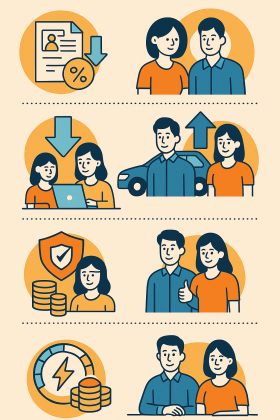
1. Boosts Loan Approval Chances
When two individuals with stable income and credit profiles apply together, lenders see lower risk. This often leads to faster and more favorable approvals.
Data Insight: According to the CRIF FY24 report, auto loan portfolios grew by 20% YoY, showing increasing confidence in this segment. With lending on the rise, adding a financially strong co-applicant improves your standing in a growing market.
2. Helps You Qualify for Better Interest Rates
A better credit profile means lower perceived risk for lenders – and lower risk often translates to better interest rates. If your co-applicant has a credit score of 750 or above, lenders may offer concessions.
Example: Instead of a 12% interest rate, you might qualify for 9.5%, potentially saving you ₹30,000–₹60,000 over a 5-year loan on a ₹7 lakh vehicle.
3. Increases Loan Amount Eligibility
Lenders consider the combined income of both applicants when assessing repayment ability. This helps you secure a higher loan amount.
Stat to Note: As per CRIF data, the average auto loan ticket size rose to ₹8 lakh in FY24, up from ₹7.5 lakh in FY23. With inflation and rising vehicle prices, higher loans are becoming the norm – and co-applicants help meet this benchmark.
4. Improves Both Applicants’ Credit Scores
Regular, timely repayments on a joint loan benefit both applicants. It’s a smart way to build or improve your creditworthiness – especially useful for younger borrowers or those rebuilding their financial history.
5. Shares the EMI Responsibility
Two incomes mean the EMI burden is lighter. This reduces default risk and provides flexibility in case of job changes or emergencies.
Who Can Be a Co-Applicant?
Not everyone can be your co-applicant. Most lenders in India prefer close family members, as it simplifies documentation and legal responsibility.
Here are the most commonly accepted co-applicants:
- Spouse – The most straightforward option; joint income and shared goals make for a strong application.
- Parents or Children – Ideal for young professionals or self-employed individuals without stable credit.
- Siblings – Accepted by some banks if both reside in the same household.
- Business Partners – Allowed in certain cases for commercial or business vehicle loans.
Note: Most lenders do not allow friends or distant relatives to act as co-applicants, as the financial and legal risks are higher in such arrangements.
Eligibility Criteria for Co-Applicants
Before you apply, ensure your co-applicant meets these basic criteria. These factors significantly impact the approval and interest rates of the loan:
- Age: Must be at least 18 years old at the time of application.
- Stable Income: Should be salaried or self-employed with a regular income source.
- Credit Score: A score of 700 or above is preferred by most lenders.
- Documents Required:
a. PAN Card
b. Aadhaar Card
c. Income Proof (ITR, salary slips, etc.)
d. Address Proof
If your co-applicant is self-employed, their business records and income tax returns will be assessed more thoroughly.
Risks and Responsibilities of Having a Co-Applicant
While co-applying comes with benefits, it’s not without serious obligations. Both parties are legally bound to repay the loan, and any slip-ups affect both credit profiles.
Key Risks:
- Joint Liability: If one person cannot pay, the other must cover the full EMI. There’s no partial responsibility.
- Credit Score Impact: A missed payment reflects on both borrowers’ credit histories. According to CRIF, delinquencies in auto loans dropped to 1.9% in FY24, indicating that timely repayment remains a top priority.
- Relationship Strain: Co-signing financial contracts without discussing repayment plans or emergency situations can lead to disputes.
- Legal Challenges: In cases of divorce or death, the remaining borrower still carries full repayment responsibility unless the loan is refinanced or settled.
Pro Tip:
Before applying jointly, have a clear and open conversation. Decide:
1. Who will pay the EMI?
2. How much will each contribute?
3. What happens if someone cannot pay for a month or two? Put these decisions in writing if possible – it’s not about mistrust, but about clarity.
When Should You Consider Adding a Co-Applicant?
Not sure if a co-applicant is necessary? Use this decision checklist.
Consider adding a co-applicant if:
- Your credit score is below 700
- Your income isn’t enough to qualify for the loan amount you need
- You’re self-employed or don’t have consistent income proof
- You’re applying for a high-ticket loan (e.g., over ₹8L)
- You want to boost your loan eligibility or get better terms
- You’re purchasing a car with someone else (spouse, parent, sibling)
If two or more of these apply to you, a co-applicant could make a substantial difference in your approval chances and loan affordability.
Insight: With growing average loan sizes – as highlighted in the CRIF report (₹8L average for auto loans) – having a co-applicant is becoming less of a luxury and more of a necessity for many middle-income families.
How to Apply for a Vehicle Loan with a Co-Applicant
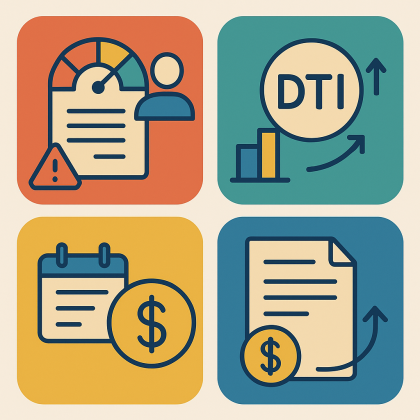
Applying for a joint vehicle loan is straightforward if you plan ahead. Here’s a step-by-step breakdown to help you do it right:
Step 1: Choose the Right Co-Applicant
Pick someone with a stable income, a good credit score (700+), and a trusted relationship. Lenders prefer immediate family members – especially spouses or parents.
Step 2: Gather the Required Documents
You’ll both need to submit:
- Identity proof (PAN card, Aadhaar)
- Address proof
- Income proof (salary slips, bank statements, or ITRs)
- Credit score/report (optional but helpful)
- Relationship proof (if needed)
Step 3: Fill Out a Joint Loan Application
Visit the lender’s branch or apply online (many NBFCs, including Kogta Financial, offer digital options). Make sure both applicants are listed clearly on the loan form.
Step 5: Track Your EMI & Credit Scores
Once approved, use a credit monitoring platform like CIBIL to track your repayment progress and credit improvements.
A Shared Loan Is a Shared Win
A vehicle loan should be a stepping stone to opportunity – not a source of stress. Adding a co-applicant can help you overcome income barriers, boost loan approval odds, and even reduce your interest burden.

But it’s not just about numbers – it’s about shared financial responsibility. Like any good partnership, joint borrowing requires transparency, clear communication, and mutual trust. Whether you’re building a family, launching a new career, or simply want to buy your dream car, the right co-applicant can accelerate your journey – and keep it on track.
Conclusion
Adding a co-applicant to your vehicle loan can improve approval chances, increase loan eligibility, and help you secure better interest rates. With rising vehicle costs and stricter lending norms, a financially strong co-applicant can make a meaningful difference.
However, joint borrowing comes with shared responsibility. Clear communication and timely repayments are essential, as both credit scores are impacted. When planned wisely, a co-applicant can turn your car loan into a smoother and more affordable journey.